
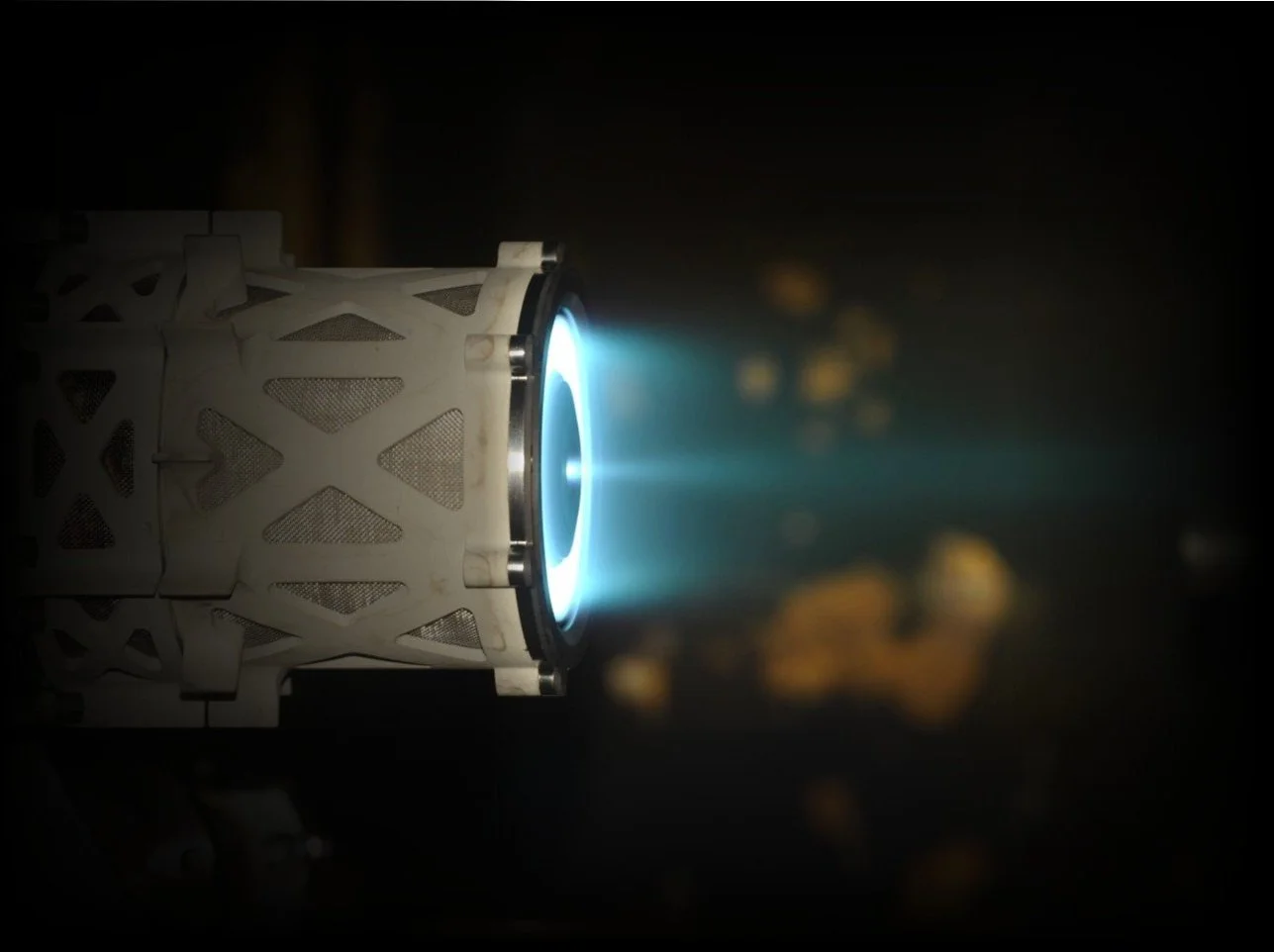
Electric Propulsion
Consulting & Solutions
for Spacecraft That Can't Afford to Fail
Spaceprop strategies, inc.
Established 2025
SpaceProp Strategies, Inc. is a specialized electric (EP) propulsion consulting firm serving space startups, satellite manufacturers, and government programs. Founded by Dr. Ryan Conversano, SSI brings extensive hands-on experience across the full spacecraft technology lifecycle so your team can move faster, reduce risk, and achieve mission success.
With roots at NASA JPL and the commercial space industry, SpaceProp Strategies, Inc. delivers everything from system architecture and performance modeling, hardware development and qualification, spacecraft integration, post-launch commissioning, and anomaly support. Whether you're building your first thruster or flying your tenth constellation, SpaceProp Strategies, Inc. provides the depth of a large aerospace firm without the overhead.

Why SpaceProp Strategies?
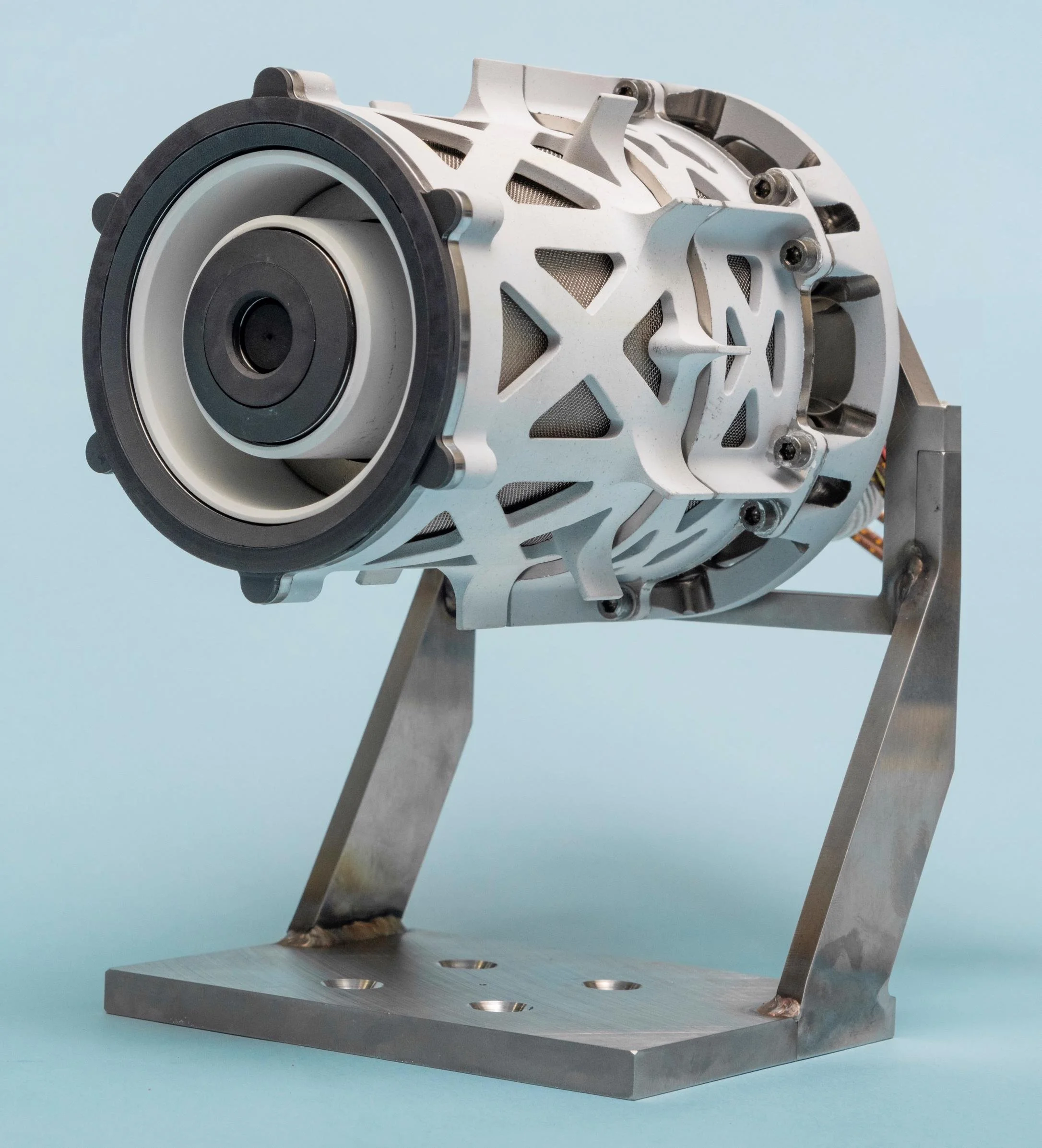
Developing, qualifying, and operating spaceflight hardware is undeniably difficult and expensive. Electric propulsion adds a unique layer of complexity that demands deep, specialized experience. SpaceProp Strategies, Inc. was founded to give programs of all sizes access to that expertise — efficiently and cost-effectively.
Our objective is simple:
Enable your team to navigate EP development and integration challenges so you can focus on what matters most — mission success.
Senior Experts.
Mission Focus.
No Fluff.
WHAT WE DO
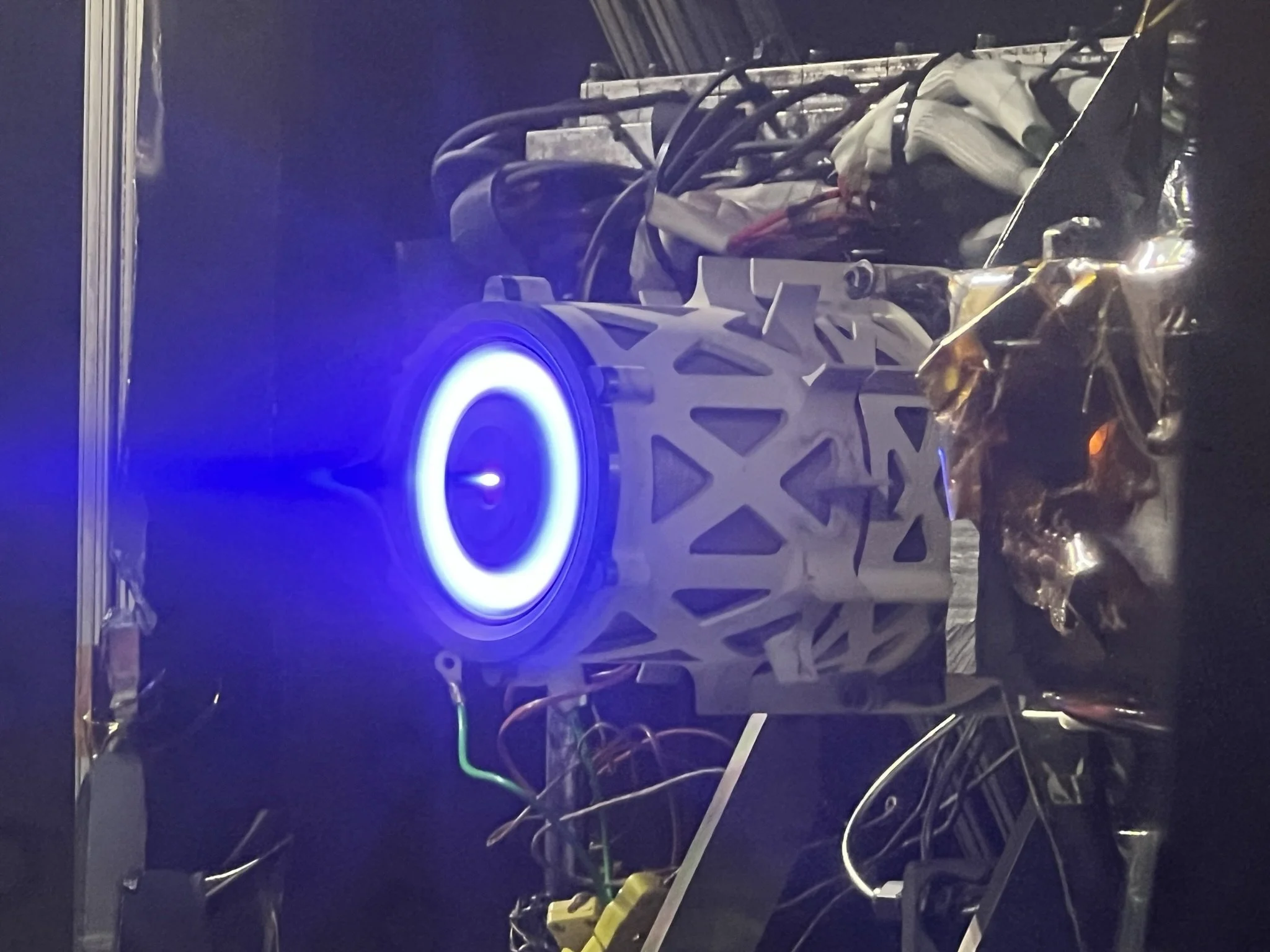
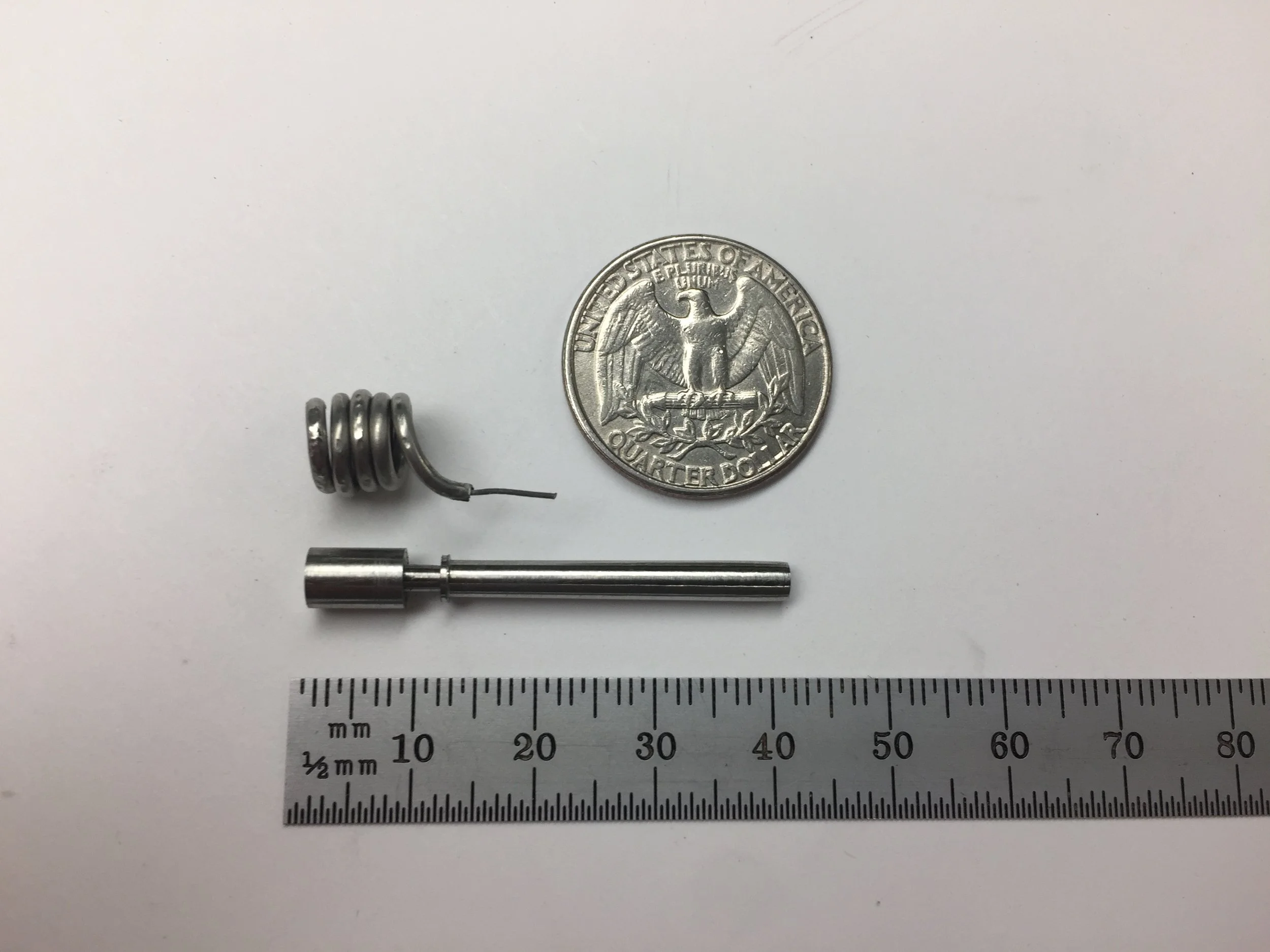
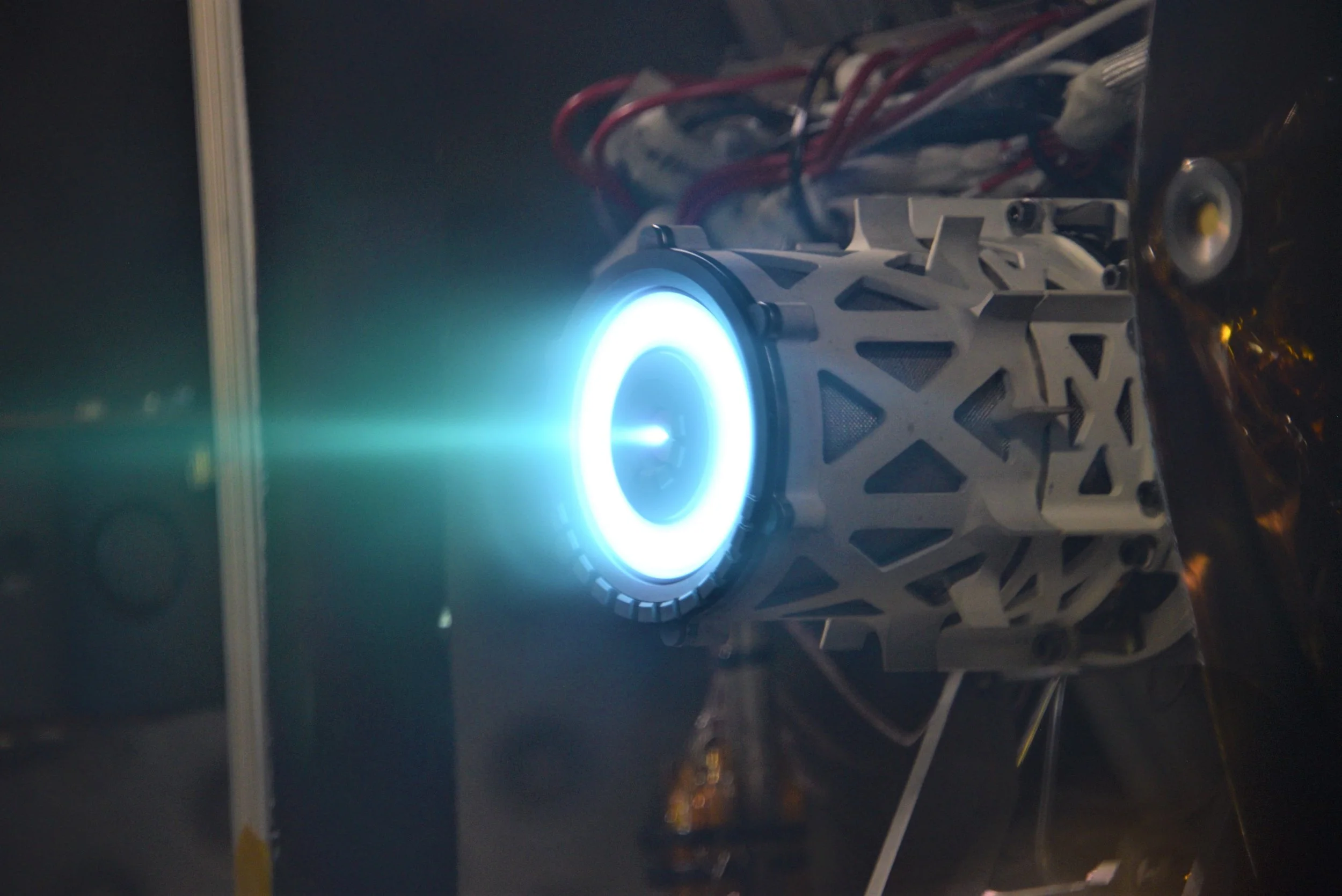
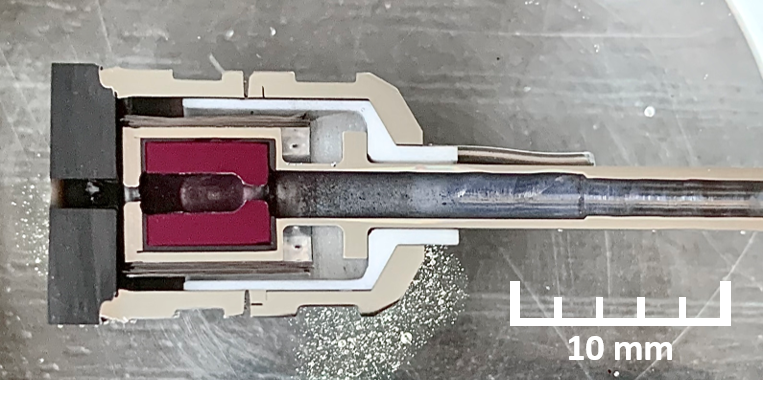
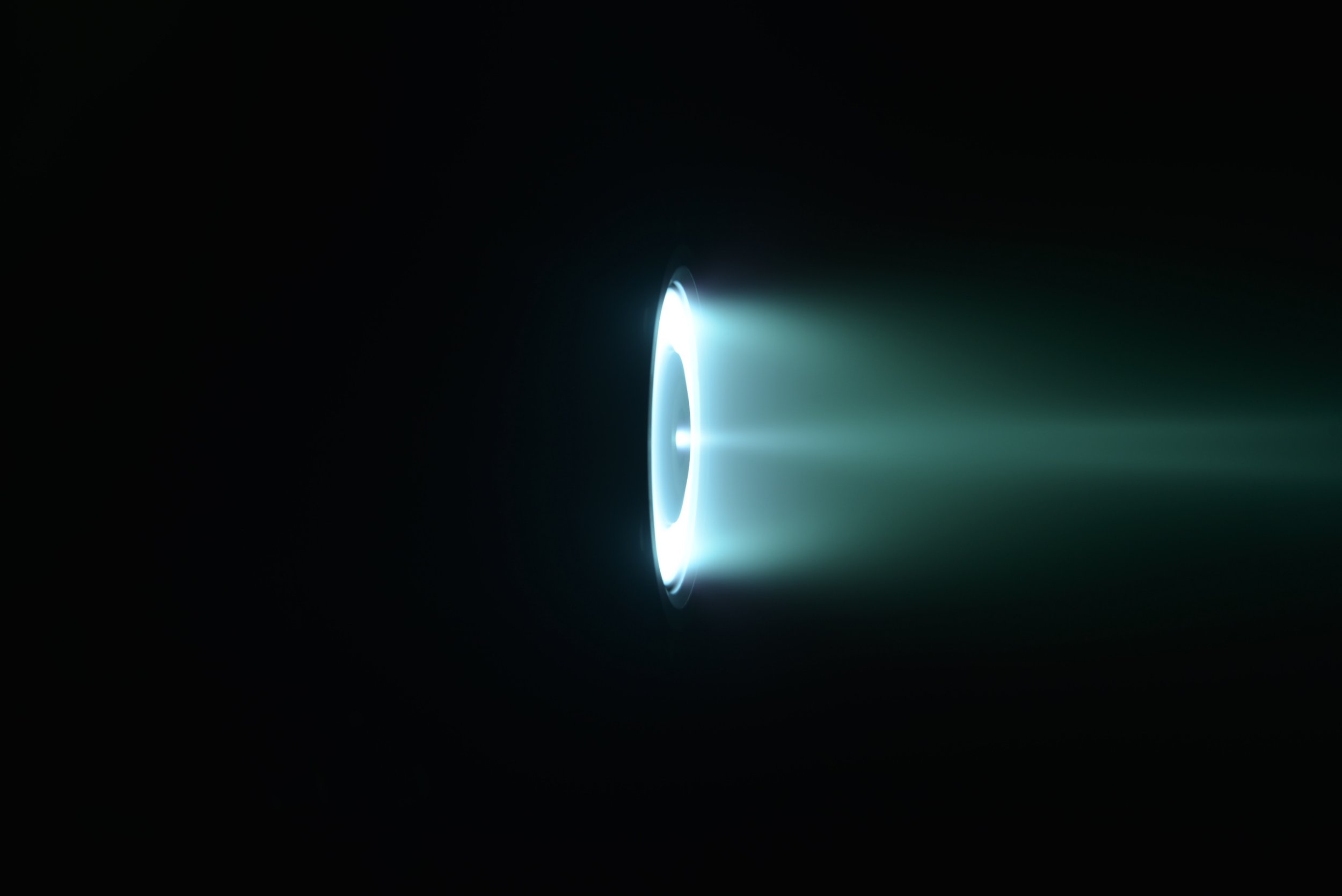
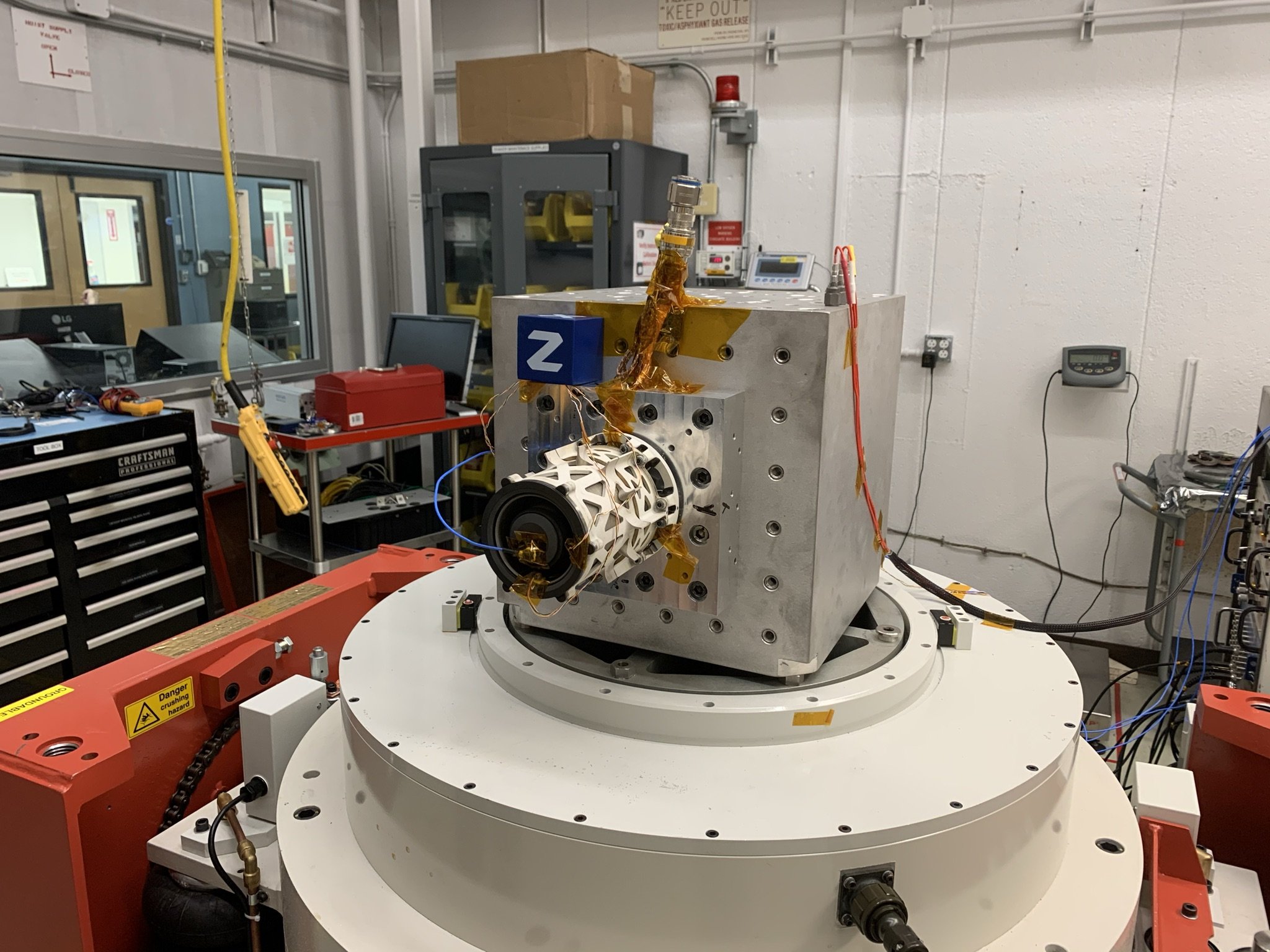
Electric propulsion systems are among the most technically demanding subsystems on any spacecraft. From thruster heads and cathodes to power processing units (PPUs) to propellant management assemblies (PMAs) — the design, integration, and operational challenges are unique and often have an incredibly limited tolerance for risk or failure.
SpaceProp Strategies, Inc. specializes in:
EP System Design & Analysis — Architecture trades, performance modeling, and propellant budgeting for electric propulsion systems
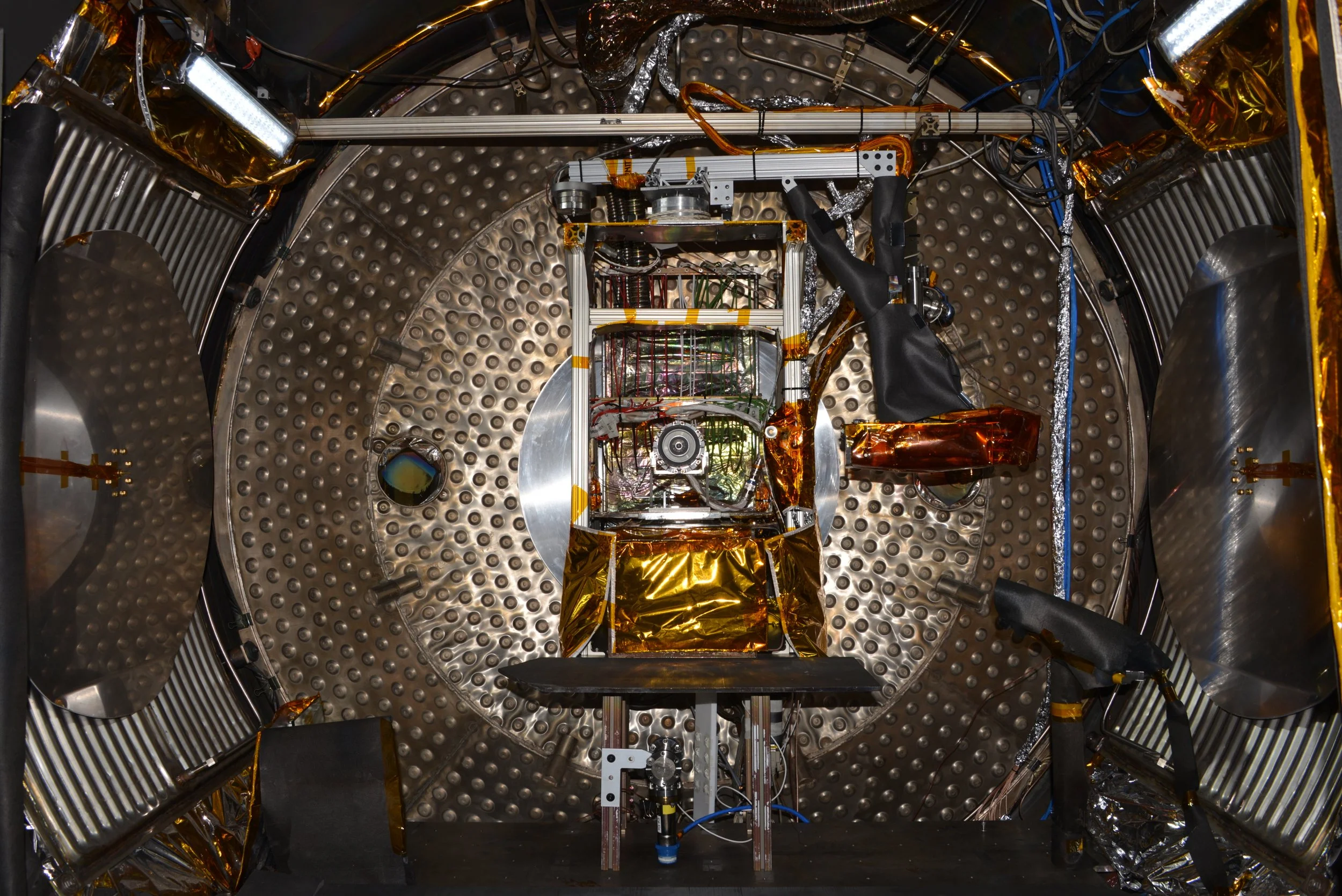
Hardware Development & Qualification — Supporting EP system development programs from breadboard through flight qualification
Spacecraft Integration — Managing the unique electrical, mechanical, and thermal integration challenges that EP systems face
Launch & On-Orbit Operations — Pre-launch readiness reviews, commissioning support, and in-orbit anomaly resolution
Independent Technical Review — Objective, expert assessment of EP subsystem designs, test plans, and program risks
Who We SERVE
Whether you're a super-lean startup racing to your first launch, an established satellite manufacturer scaling up a new constellation, or a government program requiring independent EP expertise — SpaceProp Strategies, Inc. delivers the senior-level technical depth your program needs, without the overhead of a large consulting firm.
Simply put, SpaceProp Strategies, Inc. is there for the teams doing challenging things with EP in space.
We work with:
Space startups building ground-up electric propulsion systems
Satellite manufacturers integrating in-house or commercially-procured EP systems into new or existing platforms
Government & defense programs (NASA, DARPA, DoW) requiring specialized EP consulting support
Small businesses seeking a strategic partner for SBIRs, STTRs, BAAs, and similar technology development programs
Space Propulsion
Development, Implementation, & Spacecraft
Integration Consulting Services
Tailored to Your Mission
Why Electric
Propulsion?
Today’s space missions demand increasingly higher delta-V capability, enhanced on-orbit maneuverability, and lower (usually launch-mass-driven) costs. These often conflicting requirements coalesce to a singular enabling spacecraft technology:
Electric Propulsion.
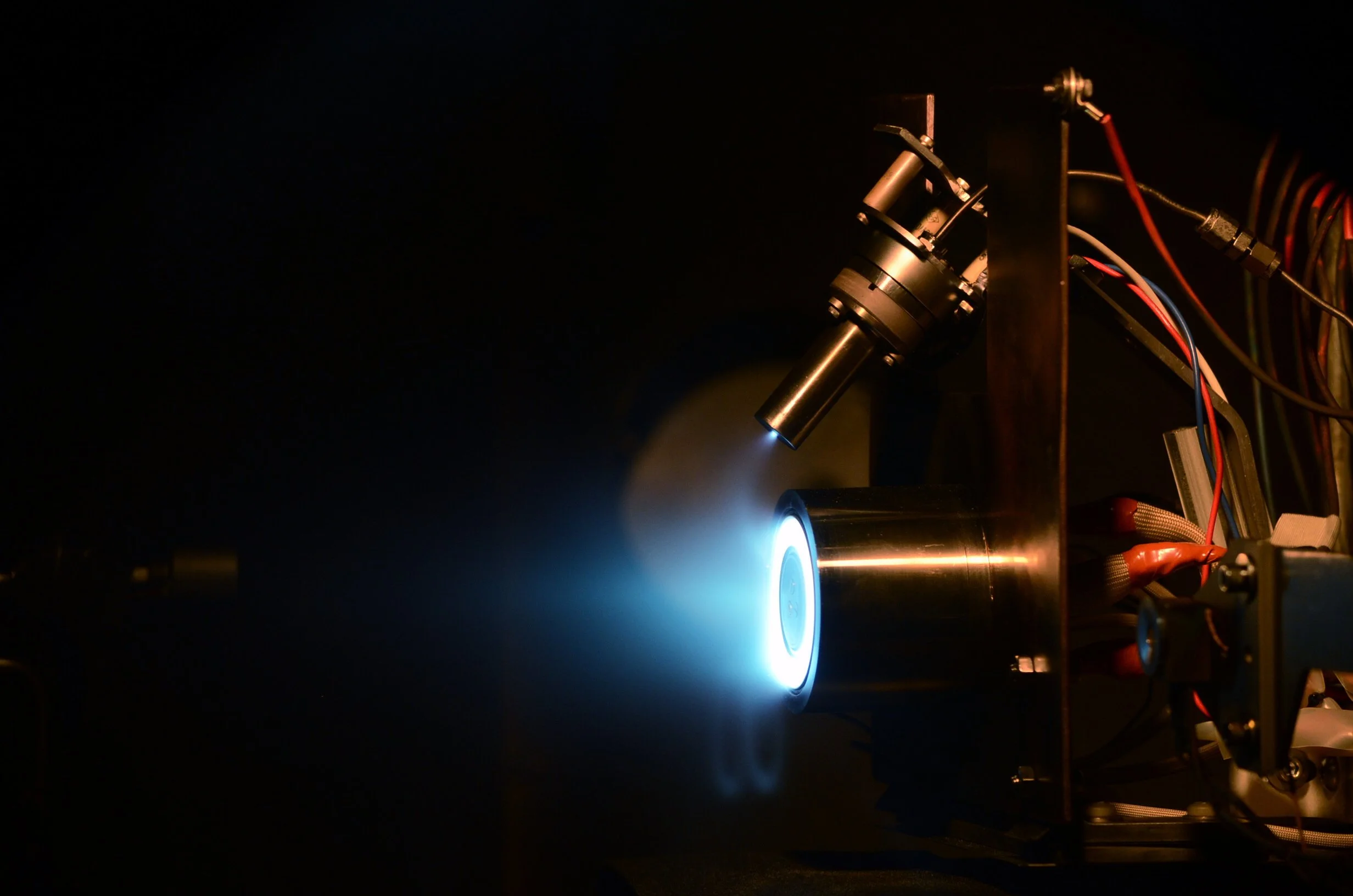
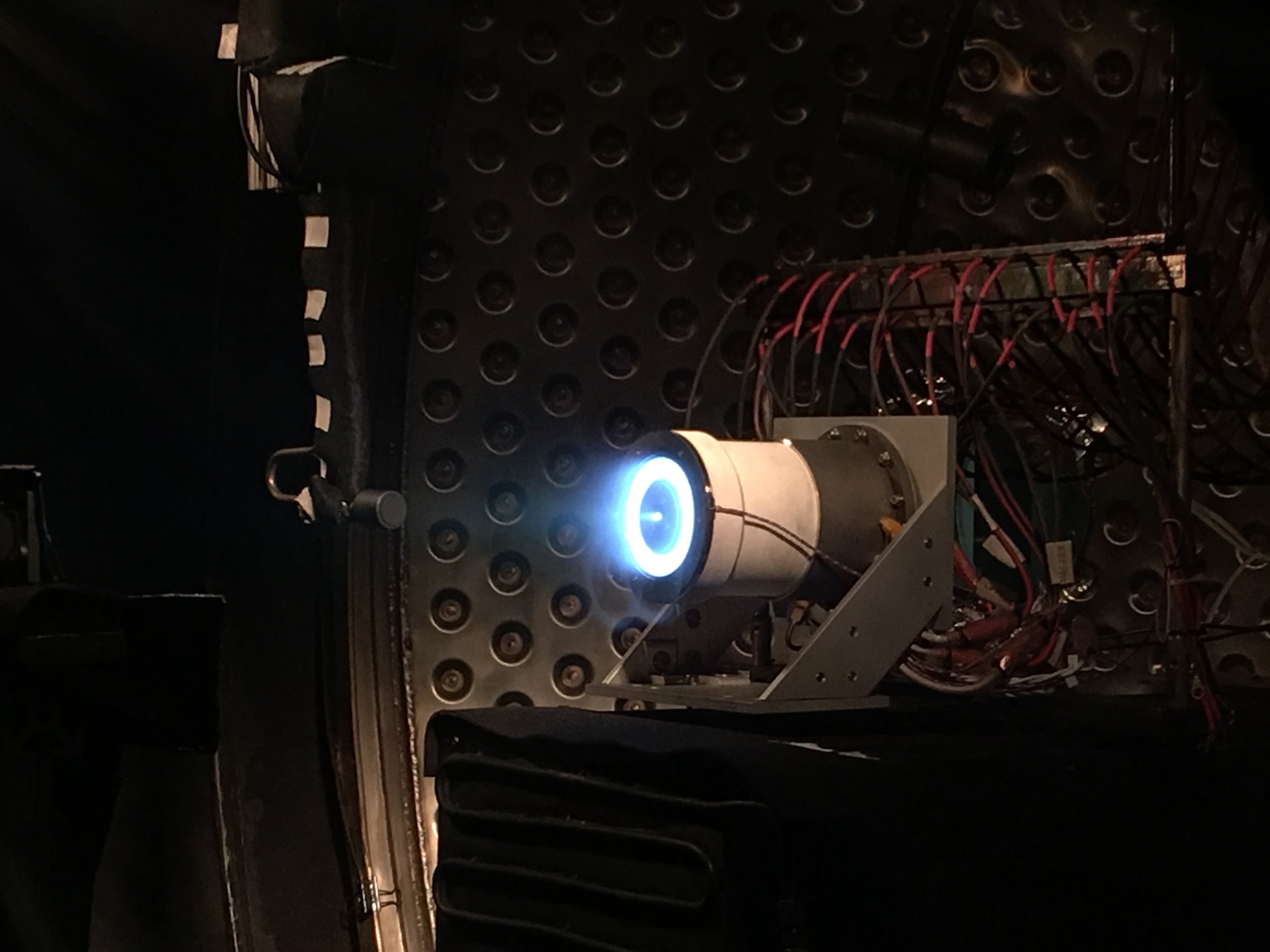
Conceived in the 1960’s and first flown in the 1970’s, EP uses a combination of electricity and magnetism to ionize & accelerate a propellant to generate thrust. While the force generated by EP devices is low (on the scale of milli-Newtons to Newtons) and consequently necessitates more time to complete a given mission, the fuel efficiency is roughly 10x that of chemical propulsion (corresponding to a ~90% reduction in required propellant mass for a given mission). Further, EP applies long-duration adjustable thrust rather than short-duration impulsive thrust, the latter of which can compromise a mission if done on an incorrect trajectory or if critical timing is missed. EP therefore enables use of smaller & lighter spacecraft which are less costly to launch and provide a wider breadth of maneuvering capabilities on-orbit when in compared to chemical propulsion.
EP is now widely available in the commercial market and is employed on a multitude of operational & in-work missions. It is a flight-proven technology, but one with only a relatively small number of true subject matter experts (SMEs) worldwide.